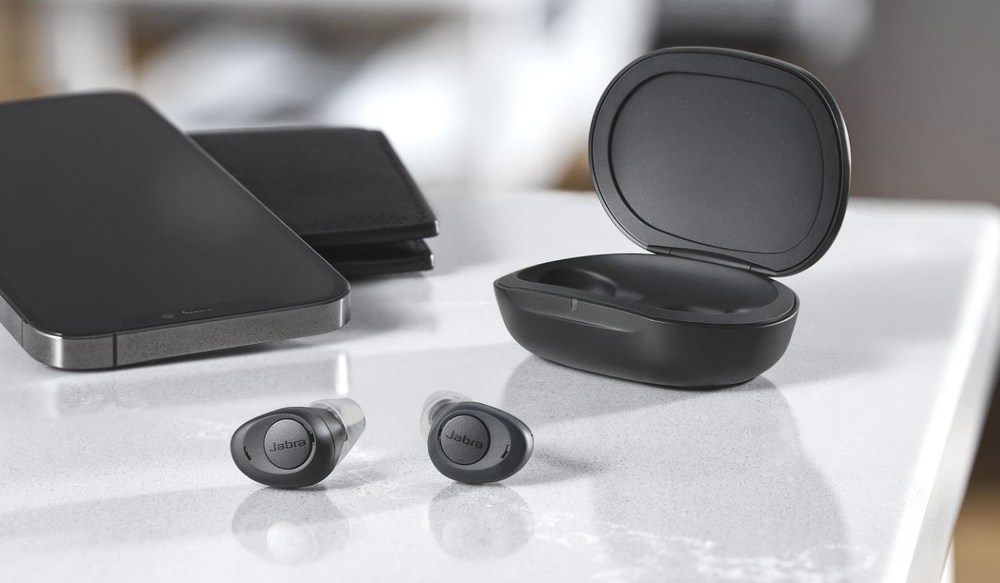
Noticing hearing loss in one ear can raise questions about whether you need hearing aids in both ears. It might seem logical to only support the ear that seems weaker, especially if the other ear appears to work well. However, hearing is a process that depends on both ears working together.

Each ear collects sound and sends information to your brain, which then helps you understand speech and locate where sounds are coming from.

Everyday listening tasks, like following conversations in busy places or knowing where sounds are coming from, may become more difficult than expected. Your brain relies on signals from both sides for clear and comfortable hearing in many situations. Understanding why both ears often need support can help you make informed choices about your hearing health.

How Wearing Two Hearing Aids Improves Speech Understanding

Wearing two hearing aids gives your brain access to sound from both sides, which makes speech easier to follow.

When both ears receive the same message, your brain can blend the signals into a clearer picture. This helps separate voices from background noise and makes speech sound more natural and balanced.

You are less likely to feel like words are fading out on one side or getting lost in busy environments. Conversations often feel smoother because you are not working as hard to piece together what someone is saying.

Two hearing aids also improve your sense of direction when someone speaks. Your brain uses tiny timing and volume differences between the ears to figure out where sound is coming from.

When only one ear is helped, that built-in system does not work as well. With both ears supported, listening feels more effortless, especially in group settings or open spaces.

This fuller, more even sound experience often leads to better understanding and fewer misunderstandings during everyday conversations.

What Happens to Sound Direction When Only One Ear Has Help

When only one ear is helped by a hearing aid, your ability to tell where sounds are coming from can change. Your brain depends on signals from both ears to figure out sound direction.

With just one ear supported, your brain receives less information and may have trouble pinpointing sounds. This can make it harder to know if a voice or noise is coming from your left, right or behind you.

You might find yourself turning your head more often to locate sounds. Everyday situations like crossing the street or having group conversations may feel less comfortable because sound direction is not as clear.

Difficulties with Background Noise When Using Just One Hearing Aid

Many people notice that background noise becomes more of a problem when using just one hearing aid.

Busy places like restaurants or family gatherings can feel difficult because unwanted sounds blend together. Your brain has a harder time focusing on speech when both ears are not equally supported.

With only one ear receiving help, you may find yourself straining to catch what others are saying, especially if several people are talking at once. This can lead to frustration and feeling left out of conversations.

If background noise is making it hard for you to enjoy social events, an audiologist can discuss whether two hearing aids could make listening easier and more comfortable for you.

Ways Two Hearing Aids May Support Brain Health Over Time

Wearing two hearing aids helps keep your brain active by making it easier to hear and process sounds from both sides. This balanced support may help the brain stay sharp as it continues to work with clear signals from each ear.

Some benefits of wearing two hearing aids include better memory for conversations, less mental effort when listening and possibly a lower risk of cognitive decline linked to untreated hearing loss.

Better Balance and Awareness with Two Hearing Aids

Wearing two hearing aids can improve your sense of balance and awareness of your surroundings.

The inner ear plays a role in both balance and hearing. When both ears receive equal sound input, your brain gets clearer information about your environment. This can help you feel steadier when walking or moving around, especially in new or crowded places.

People who wear two hearing aids often report feeling more secure during daily activities like shopping or walking outdoors. Improved balance and awareness can also lower the risk of accidents or falls by helping you react more quickly to sounds around you.

Easier Adjustment Period When Both Ears Are Supported

Getting used to new hearing aids takes time, but supporting both ears at once often makes the adjustment period smoother.

When each ear receives similar help, your brain learns faster how to process amplified sounds. This balanced approach can make new sounds feel more natural during the first few weeks of use.

Many people find that wearing two hearing aids leads to quicker improvements in understanding speech and enjoying music or television again. If only one ear is helped at first, it may take longer for your brain to adapt, which could delay your progress and comfort with the devices.

What You Will Experience During a Fitting for Two Hearing Aids

During a fitting for two hearing aids, your audiologist will focus on making sure both devices work together comfortably and clearly for you. They will place the hearing aids in your ears, adjust the sound settings and fine-tune the volume so speech feels natural rather than loud or sharp.

You may be asked to listen to different voices or everyday sounds while small adjustments are made to balance what you hear in each ear. Your fitting is also a chance to learn how to put the hearing aids in, care for them and use features like volume control or programs.

The time you leave, the goal is for the devices to feel comfortable, sound balanced and fit smoothly into your normal routine.

Making the Best Choice for Your Hearing Health

Supporting both ears with hearing aids can make a real difference in how well you hear and connect with others each day. Balanced hearing helps your brain process sounds more clearly, improves speech understanding and makes it easier to enjoy conversations in busy places.

It also reduces listening fatigue and may help keep your mind sharp over time. Even if one ear seems fine, giving both ears equal support allows them to work together as they are meant to.

If you have noticed changes in your hearing or are unsure whether one or two hearing aids would be best for you, schedule an appointment with an audiologist. Supporting your hearing health leads to clearer communication and greater comfort in daily life.