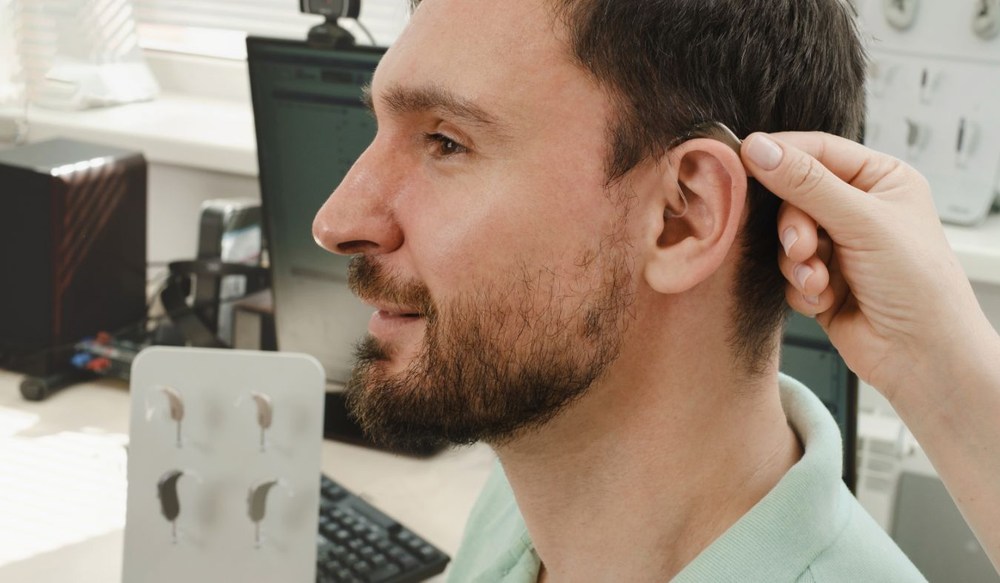
Hearing aid warranties and repairs are essential aspects of caring for your devices. When you rely on hearing aids to stay engaged with the world, understanding the support available if something goes wrong can make a big difference. Many people wonder what their warranty covers, how repairs are handled and what steps to take when their hearing aids need attention. Learning about these details, you can feel more confident in managing your devices and know where to turn for help. Exploring how warranties and repair services work together can offer reassurance as you care for your hearing health.

Why Hearing Aid Warranties Are Important

Hearing aid warranties provide an important layer of protection for your devices. They cover issues like defects in materials or workmanship and, in some cases, offer repair or replacement if the devices stop working as expected. Because hearing aids are complex devices that are worn daily, they can be exposed to moisture, earwax or accidental damage that may affect performance. A warranty ensures you have access to professional support. Understanding the coverage and terms of your hearing aid warranty helps you make informed choices and maintain consistent, reliable hearing support over time.

Different Types of Hearing Aid Warranties Available

Several types of hearing aid warranties are available when you purchase new devices. The coverage can differ based on the manufacturer and where you buy your hearing aids. Some common types include:

  • Manufacturer’s warranty: Covers repairs or replacement for a set period, often one to three years.
  • Loss and damage warranty: Offers protection if your hearing aids are lost or damaged beyond repair, sometimes with a small deductible.
  • Extended warranty: Provides extra coverage after the original warranty ends, which is helpful for long-term support.

What Hearing Aid Warranties Typically Cover

Most hearing aid warranties include repairs for issues caused by normal use, like problems with the microphone, battery door or internal electronics. If your hearing aids have a manufacturing defect, the warranty usually covers replacement. This gives you peace of mind that help is available if your devices experience problems.

What Is Not Included in Most Hearing Aid Warranties

There are some situations that standard warranties do not cover. Damage from accidents, water exposure or rough handling is usually excluded. Loss or theft is also not covered unless you have a special loss and damage plan. Routine maintenance, like cleaning or replacing batteries and earmolds, is not typically included. Cosmetic issues like scratches or discoloration from everyday use are also excluded.

If your hearing aids need repairs because of changes to your hearing or adjustments outside the original settings, there may be extra fees. Always check your warranty paperwork so you know what is included and what is not.

How to Transfer a Hearing Aid Warranty

Sometimes hearing aids are given to another person or sold before the warranty expires. In some cases, it may be possible to transfer the warranty to the new owner. Not all manufacturers allow this, so it is important to check first. If a transfer is possible, there may be steps like filling out a form or notifying the manufacturer or provider. Contact the company that made your hearing aids or the place where you purchased them to learn about transfer options and requirements.

How to Find Out if Your Hearing Aids Are Still Covered

If you are unsure whether your hearing aids are still under warranty, start by checking the paperwork or receipts from your purchase. These documents usually list the length of the warranty and what it covers. If you cannot find these documents, contact the place where you purchased your devices.

You can also contact the manufacturer’s customer service or visit their website. They may ask for your hearing aid’s serial number to give you accurate information about your warranty status. Having this information ready helps you get answers quickly if repairs or support are needed.

What to Do When Your Hearing Aids Need Repairs

If your hearing aids stop working or do not seem right, it can be frustrating. Taking quick action helps you stay connected and avoid missing important sounds. Here are some steps to take if you notice a problem:

  • Check if the batteries need replacing or charging.
  • Make sure your hearing aids are clean and free from earwax or debris.
  • Review your warranty paperwork to see if repairs are covered.

Repair Solutions When Warranty Coverage Has Ended

When your hearing aid warranty has ended, repair costs can be a concern. Many people wonder what steps to take next. There are still options for getting your devices working again. An audiologist can provide in-office repairs for common problems. In some cases, parts like tubes or domes can be replaced during a regular visit.

If a larger repair is needed, an audiologist will provide an estimate and explain the process before any work begins. With the right support, you can keep using your hearing aids and maintain your connection with others.

Helpful Ways to Maintain Your Hearing Aids

Taking care of your hearing aids helps them work well every day. Simple habits like cleaning them regularly and storing them in a safe, dry place can prevent many problems before they start. Moisture is a common issue that can cause hearing aids to stop working properly. Using a drying kit or dehumidifier overnight helps remove trapped moisture and keeps your devices in good condition.

Staying Confident in Your Hearing Aid Support

Understanding hearing aid warranties and repairs gives you more control over your hearing health. Knowing what your warranty covers, how repairs work and when to seek help makes it easier to keep your devices working their best. If you have questions about your coverage or need support with a repair, an audiologist can help.

Caring for your hearing aids is an important part of staying connected with friends and family. If you have questions about your warranty or notice changes in how your devices work, schedule an appointment with an audiologist. Getting timely advice can help prevent small problems from becoming bigger issues and keep you feeling secure in managing your hearing health.