When a child has hearing loss, early support can shape how they learn, communicate and connect with the world. For many families, this starts with pediatric hearing aids and a plan for early intervention.

At first, all of this can feel confusing. There are new terms to learn, choices to make and questions about your child’s future. You may wonder what hearing aids can actually do for a young child, how soon they should be fitted and what kind of progress to expect.

Knowing how early access to sound affects speech, language, school readiness and social skills, you can feel more prepared to ask questions and make decisions. This information is meant to help you see what timely action can offer your child today and, in the years, ahead and how an audiologist can support you along the way.

How Hearing Loss Affects Babies and Young Children

Hearing loss in babies and young children can make it harder for them to learn language and communicate, even in everyday interactions at home or daycare.

When a child can’t hear sounds clearly, they may struggle to connect words with their meanings, which can slow speech development and make it more challenging to follow instructions or join in conversations with peers. Early experiences with sound are important for brain development, so hearing difficulties can affect not only language skills but also learning and social interactions.

Even mild hearing loss can make certain noises confusing or tiring for a child, which may lead to frustration or withdrawn behavior. Children might ask for things to be repeated more often, speak more quietly or seem inattentive in noisy environments like classrooms or playgrounds.

Identifying hearing issues early gives parents and caregivers the chance to support the child with strategies, therapies and devices that help them engage fully with the world around them.

Why Early Access to Sound Supports Brain and Language Growth

Hearing loss in babies and young children can have a significant impact on how they learn to communicate and understand the world around them. Even mild hearing difficulties can make it harder to pick up speech sounds, follow conversations or notice environmental cues, which can affect language development and social interaction.

Children rely on consistent access to sound to build vocabulary, learn grammar and connect words to meaning, so any barrier to hearing can slow these important milestones.

Early detection and support are key because the brain is especially adaptable during these first years of life. Children with untreated hearing loss may experience delays in speech, reading and social skills, which can affect participation in school or play.

Knowledge of how hearing affects development helps caregivers and audiologists provide timely interventions, creating opportunities for children to build strong language skills and engage fully with the people and experiences around them.

What Are Pediatric Hearing Aids

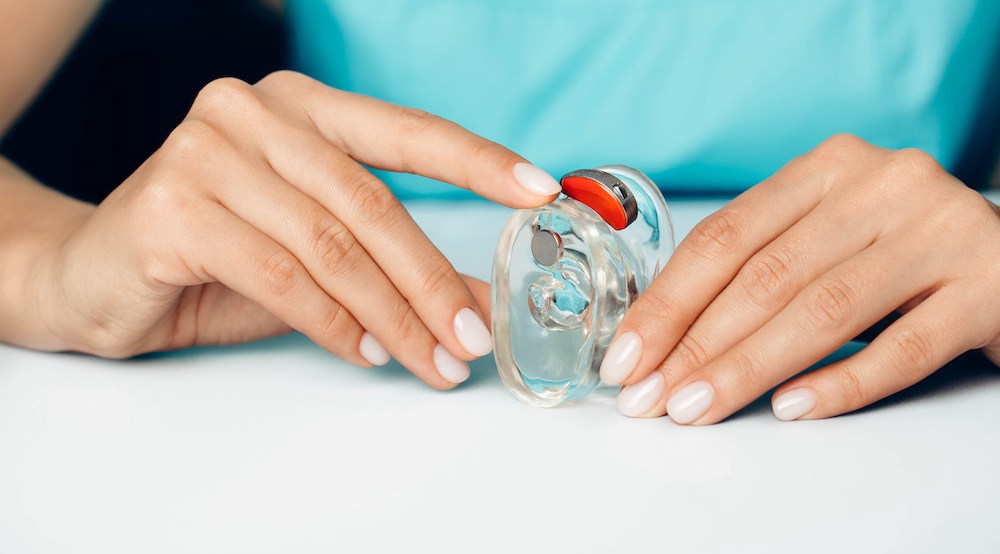
Pediatric hearing aids are devices designed specifically to help children with hearing loss hear more clearly and develop speech and language skills.

They work by amplifying sounds in a way that fits a child’s ear and hearing needs, which can be different from adults because children are still growing and learning to process sounds. These devices can make it easier for kids to participate in school, interact with friends and enjoy everyday activities without missing important sounds.

Unlike adult hearing aids, pediatric models often include features that support safety and durability, like secure fittings, tamper-resistant battery compartments and materials that can withstand active play.

They can also be adjusted more frequently to keep up with changes in a child’s hearing or ear size. Families and audiologists work together to ensure that the hearing aids are comfortable, effective and fit seamlessly into the child’s daily routine.

When Hearing Aids Are Fitted and What to Expect in the First Months

When children are fitted with hearing aids, the first few months are an important period of adjustment for both the child and the family. During this time, you can expect the audiologist to guide you through the initial setup and help your child get used to wearing and hearing through the devices.

Some key steps and considerations include:

  • Choosing a comfortable and secure fit for small ears.
  • Introducing your child gradually to wearing the hearing aids for longer periods.
  • Monitoring how your child responds to different sounds in everyday environments.
  • Regular check-ins with an audiologist to adjust settings as needed.
  • Learning how to care for and maintain the devices properly.

Parent Tips to Stay Involved Track Progress and Plan Future Care

Parents can support a child with hearing aids by staying involved in daily use and noticing how the child responds to different sounds.

Observing challenges at home or school, tracking comfort with the devices and keeping a simple log of listening experiences can provide helpful information. Checking how well the hearing aids fit and function regularly makes it easier to notice changes in speech understanding or attention to sounds.

Planning for future care includes keeping up with appointments, hearing tests and any device updates. Talking with an audiologist about questions or concerns, setting goals for hearing development and understanding available support can make a difference.

Staying engaged helps ensure your child’s hearing needs are met, supports communication and encourages continued growth in everyday activities.

Next Steps with Early Hearing Support

Early use of pediatric hearing aids and strong early intervention can give your child a solid start with listening, language and learning.

If you have any worries about how your baby or young child responds to sound or develops speech, it is better to ask questions early than to wait and wonder. A full hearing check with an audiologist can give clear answers and help you understand what support might help most.

If you want to learn more about pediatric hearing aids, schedule an appointment with an audiologist. They will be able to answer any questions or concerns you have, making sure your child is receiving the best treatments.