A drummer, dentist, hunter and landscaper may all spend time around loud sound, but they don’t need the same kind of protection. A musician still needs to hear the music accurately, while a hunter needs to hear what’s happening between sudden bursts of noise.
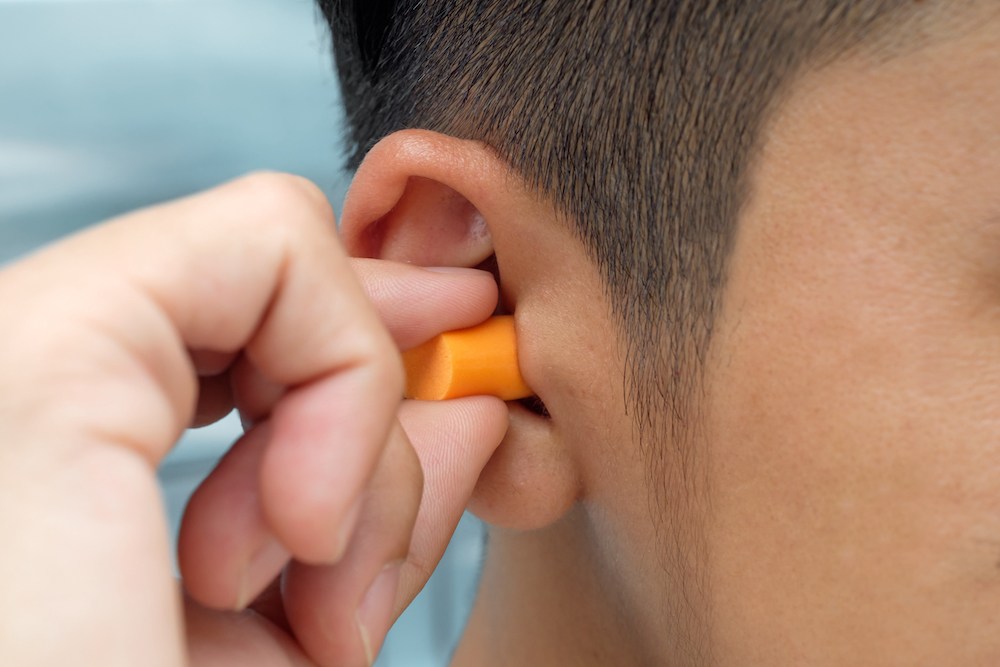
Someone working around machinery may be dealing with steady sound for hours at a time. Standard earplugs have their place, but they aren’t designed around every job, activity or listening need.

Audiologists can recommend hearing protection based on the sounds you’re around and what you still need to hear while wearing it.

Why Protecting Your Hearing Early Matters

Hearing protection matters before you have a reason to wonder whether your hearing has changed. You might walk away from a concert or workday with muffled hearing that seems normal again by morning.

Even when that feeling goes away, repeated exposure can damage the sensory cells inside your inner ear. Those cells don’t grow back once they’re damaged. S

tarting hearing protection before you notice a permanent change, limits how much loud sound reaches them in the first place. This matters when noise is part of your job or a hobby you plan to continue for years.

How Loud Sounds Can Damage Your Ears

Sound travels through the ear until it reaches the cochlea, a fluid-filled structure in the inner ear. There, movement from sound bends tiny sensory hair cells that convert vibrations into signals the brain can interpret.

Louder sounds create more force inside the cochlea, causing those cells to bend farther than they normally would.

If that force is strong enough, some cells may stop working properly. Damage in different areas of the cochlea affects different frequencies, which is why hearing loss may begin with certain sounds rather than everything becoming quieter.

What Makes Custom Hearing Protection Different from Store Bought Options

Custom hearing protection is made from an impression of your ears rather than a standard size or shape. Because each piece is made for your ear canal, it tends to sit in the same position each time you wear it.

Store-bought earplugs come in standard shapes and depend on how well you insert them to create a seal. Custom options can also use different filters depending on where you’ll wear them.

A musician may need to hear the balance of the music, while someone using loud equipment may need protection from steady noise. These differences let an audiologist choose the material and filter based on what you’ll be doing while wearing them.

How Audiologists Check Your Hearing and Noise Exposure

An audiologist will usually ask about the noise you’re around before recommending hearing protection. They’ll want to know how loud it gets and how long you’re exposed. Sudden bursts of sound matter too.

A hearing test measures the softest sounds you can hear across different pitches and checks each ear separately. Earlier results may be compared with your current test to see whether anything has changed.

Your audiologist will also ask what you still need to hear around the noise, like speech, music or warning signals. That information is used to determine how much sound reduction is appropriate for the setting.

Types of Custom Hearing Protection

Custom hearing protection isn’t limited to one type of earplug. Musicians’ plugs use filters that lower volume while keeping instruments and vocals from sounding overly muffled.

For shooting, electronic options can reduce sudden impulse noise while still letting you hear conversation between shots. People working around machinery may need plugs made for steady noise over longer periods.

Custom earpieces are also available for motorsports, where wind and engine noise may be the main concern. The design and filter depend on the sound you’re around and what you need to hear while wearing them.

Step-By-Step Process for Getting Custom Earmolds Made

Getting custom earmolds usually takes more than one appointment because they’re made from the shape of your ears. Here’s what the process generally includes:

    • Your ears are examined to make sure they’re ready for impressions.
    • A small block is placed in each ear canal before the impression material is added.
    • Soft impression material is placed in the ear and left briefly to set.
    • The finished impressions are removed and sent to a manufacturer.
    • Your earmolds are made using the shape captured by those impressions.
    • You return to have the finished earmolds checked for fit.
    • Any needed fit changes are identified before you begin wearing them regularly.

How to Care for Clean and Store Custom Hearing Protection

Removable filters may need to come out before washing, since water can damage certain components. Let the earpieces dry completely before putting them away.

Store them in their case rather than loose in a pocket, bag or vehicle where they can collect dirt or become damaged. Check the material occasionally for cracks, stiff areas or changes in shape that could affect how the earpieces sit in your ears.

Taking the Next Step to Protect Your Hearing

Hearing protection works best when you’ll wear it for the time you’re around loud sound. Fit, comfort and what you can hear through the earpieces all matter once you’re using them regularly.

Custom protection can be made for repeated use, whether that means several hours on the job or a few weekends each month. Taking care of the earpieces also keeps them ready for the next time you need them.

An audiologist can check the fit after your custom protection arrives and make sure it sits correctly in your ears. If you want to learn more about custom hearing protection, schedule an appointment with an audiologist.